Back to Blog
Quitting Smoking or Vaping with Anxiety or Depression: What the Industry Says vs What We Say

A reader wrote in this week with an important question:
“How do you address the challenges of quitting smoking when you’re also living with diagnosed Generalized Anxiety Disorder and Major Depressive Disorder?”
It is a fair question. Plenty of people are asking themselves the same thing, even if they have never said it out loud.
For many, it is exactly why they keep putting off trying to quit. They believe their cigarette or vape is one of the few things helping them cope, and giving it up feels like giving up support they cannot afford to lose.
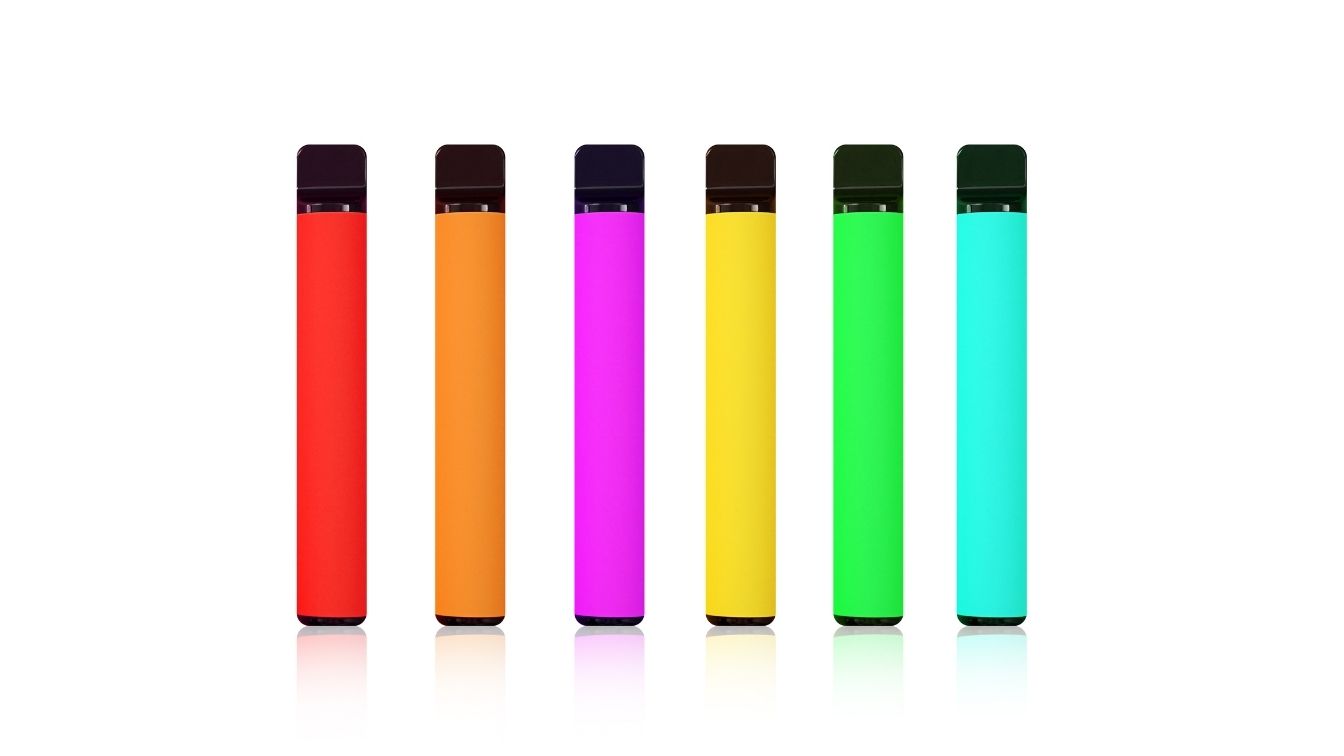
Everything below applies just as much to vaping as smoking. Nicotine is nicotine, whatever the delivery device. 🚬💨
What the Industry Says 💊
Mainstream cessation support treats a GAD or MDD diagnosis as a reason for more support, not less.
That usually means nicotine replacement or prescription medication, such as varenicline or bupropion, combined with additional counselling. The theory is that people managing anxiety or depression may face a harder quit and a higher relapse risk.
In the US, varenicline and bupropion carried an FDA black box warning for years over possible neuropsychiatric side effects. That warning was removed in 2016 after a major trial of more than 8,000 smokers, half of whom had psychiatric diagnoses, found no significant increase in neuropsychiatric problems compared with placebo.
There is also a reassuring finding in the research: a large analysis pooling more than 100 studies and over 160,000 people found that quitting nicotine is followed by less depression, anxiety, and stress, not more. ✅
What We Say 💡
Ask a room of smokers and vapers why they use nicotine, and you will hear the same product being given completely different jobs.
One person says it calms them down when they are anxious. Another says it is the only thing that gets them through when they are feeling low. Someone else says it makes the good times even better. Another says it gives them something to do when they are bored.
But one product cannot be a relaxant for the anxious person, a lift for the depressed person, and an enhancer for the happy person, all depending on the mood of whoever is using it.
What is happening is the same in every case.
Nicotine leaves the body, and withdrawal adds a fresh layer of anxiety and discomfort on top of whatever the person was already feeling. The next cigarette or vape relieves that layer, and the relief is genuinely felt. That is why it seems to be helping.
But it only cancels out the discomfort the addiction just caused.
It brings the person back to their own normal, not above it.
Nicotine Does Not Fix the Baseline
Everyone’s normal is different.
Someone living with GAD or MDD may already be dealing with anxiety or low mood before nicotine ever enters the picture. Every cigarette or vape only gets them back to that baseline. It does not lift them above it, and it does not treat the underlying anxiety or depression.
They feel real, short-lived relief from the discomfort the addiction itself created. Then it starts building again.
We see this at every seminar. When people fill out their questionnaire, three out of four tell us they are dealing with anxiety or depression. 📊
Being a smoker or vaper is exhausting in its own right. It means being controlled by a drug: when you can have one, when you cannot, whether you are running low, when you will get the next one, and how you will plan around it.
So nicotine does not sit outside anxiety and depression as some kind of relief valve.
It is inside the problem, adding to it, every single day.
The Relief Is Real, but the Explanation Is Wrong
We are not dismissing what smoking or vaping feels like it is doing.
The relief is real.
What is wrong is the explanation for it.
Nicotine was never treating the anxiety or the depression. It was only relieving withdrawal from the last hit, while the addiction itself kept feeding the very state it claimed to relieve.
Once that becomes clear, there is nothing left to be afraid of giving up, because the thing being given up was never providing what it seemed to.
That is the core of the seminar.
For most people, it happens in one session. It is the same session whether someone smokes, vapes, uses patches, pouches, lozenges, or a combination. It is not about gritting your teeth and going without. It is about seeing that there was never anything real to go without in the first place.
There is no new medication, and nothing to check against what someone may already be taking for GAD or MDD. The underlying diagnosis stays exactly where it belongs, with the person’s doctor or therapist.
People leave free, with a baseline that is no longer being disturbed by an addiction on top of everything else they are already managing. 🕊️
Where Both Sides Agree 🤝
Whichever route someone takes, the evidence points in the same direction: quitting nicotine eases anxiety and depression rather than worsening them.
The industry gets there with medication and extra counselling.
We get there by showing that the cigarette or vape was never providing the relief it appeared to, and was making things worse the whole time.
What matters most is that someone living with GAD or MDD does not let fear of a harder quit keep them using, because the evidence says the opposite is true.
If you are worried that quitting smoking or vaping will make your anxiety or depression worse, you are not alone.
But nicotine is not your support system.
It is part of the trap.
And once you understand the trap, freedom becomes possible. 💙

get started
Your smoke free life starts here!
Sign up for free advice, support and resources to start you on your quit smoking journey.
Get Started